What We Develop
As part of our mechanical CAD design services, we support:
- Concept development: explore mechanisms, layouts and component arrangements against functional requirements.
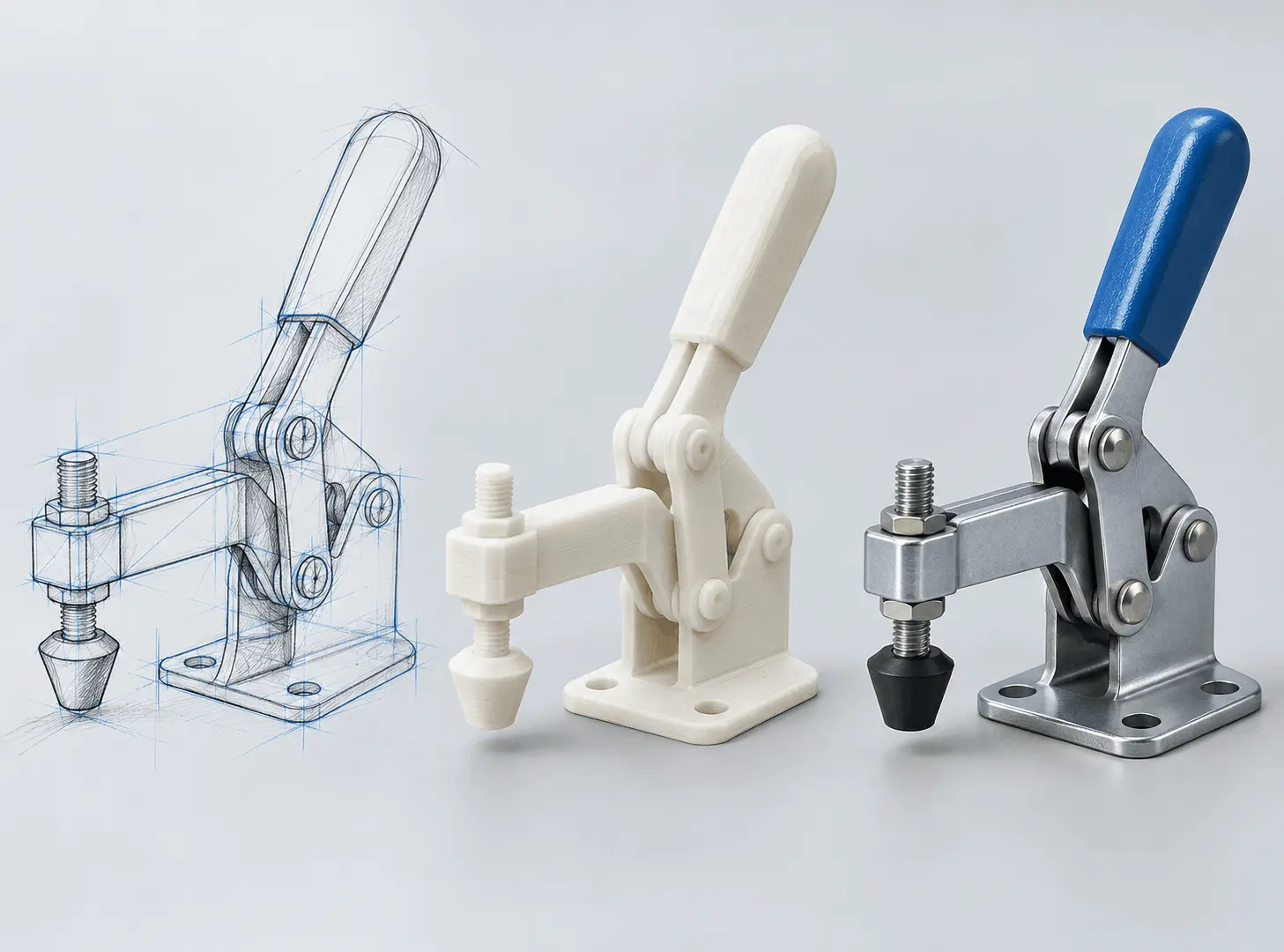
- Prototype design: define geometry and interfaces for prototypes intended to answer specific engineering questions.
- Design refinement: incorporate findings from testing, assembly reviews and supplier feedback.
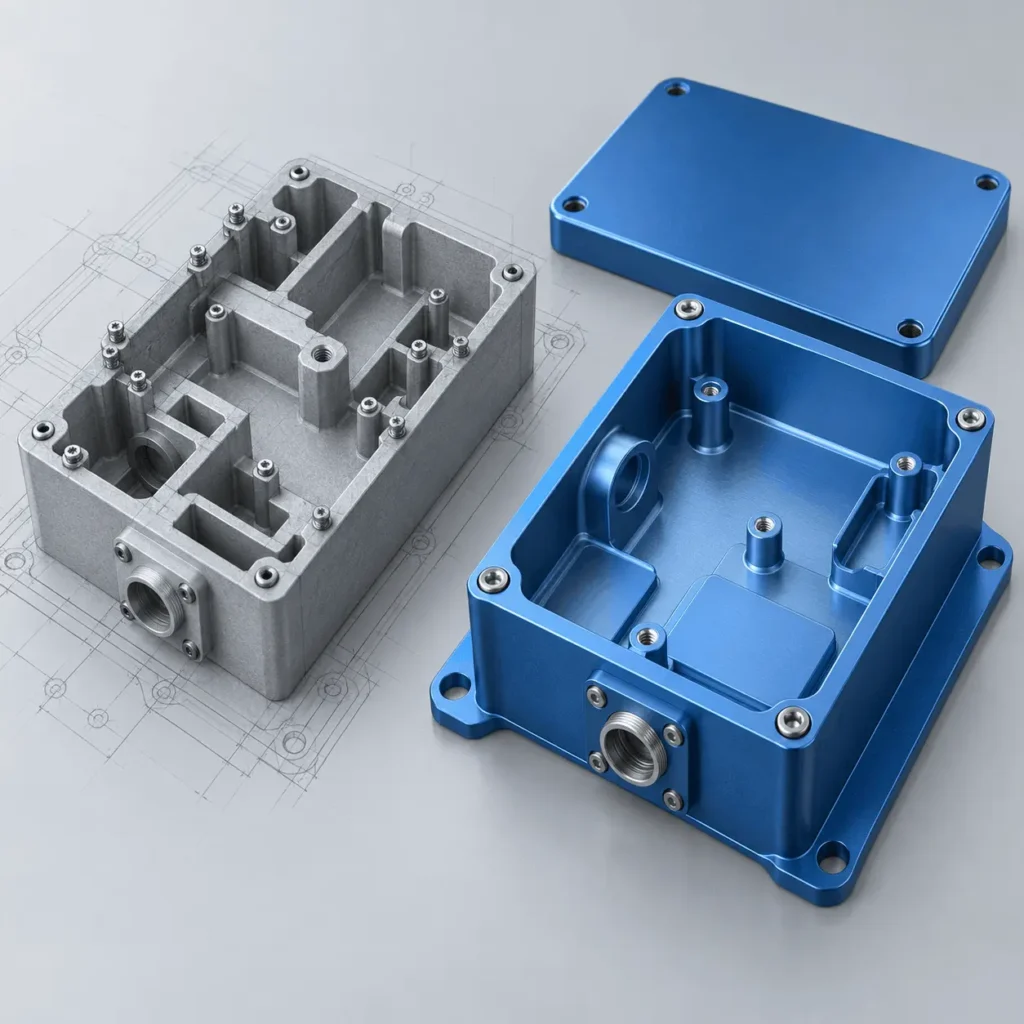
- Production design and DFM: adapt the design to the intended materials, manufacturing processes, assembly requirements and production volume.
Development Matched to Your Product Stage
Concept Design and Feasibility
Establish the product’s intended function, operating conditions, available space and key interfaces. Explore alternative layouts or mechanisms before committing to detailed component geometry.
Concepts are reviewed against agreed priorities such as performance, size, material options, assembly complexity and manufacturing constraints. Open questions are identified early so that further analysis or prototyping addresses the uncertainties that matter most.
Prototype Design and Engineering Refinement
Develop prototype geometry around a defined learning objective. A prototype may be used to assess fit, mechanism operation, assembly access or physical performance; the required level of detail depends on that purpose.
Prototype materials and processes may differ from production methods. These differences are considered when interpreting results, particularly where stiffness, friction, surface quality or manufacturing variation affects behavior.
Our 3D mechanical design services support the part and assembly modeling needed throughout development.
Design for Manufacturability
Review whether the geometry suits the intended manufacturing process. Depending on the product, this may involve machining access, hole depths, internal radii, wall thickness, draft, bend geometry or the availability of standard materials and components.
DFM decisions are made alongside functional requirements. A feature should not be simplified solely for easier production if doing so compromises the product’s performance or interfaces. Supplier input helps establish realistic process capabilities and cost drivers.
Production Design and Assembly Preparation
Refine component details, interfaces and documentation for the agreed production route. Review fastening methods, component access, assembly sequence and opportunities to reduce unnecessary part variety or handling.
Where required, our engineering drawing services communicate dimensions, tolerances, materials and inspection requirements.
Production tooling, process qualification and manufacturing approval require coordination with the relevant suppliers and are included only when specified in the project scope.
Typical Applications
Mechanical products, equipment modules, housings, fixtures, mechanisms and assembled devices progressing from concept to prototype or from an existing prototype toward production.
Projects may also involve redesigning a component for a different manufacturing process, addressing assembly difficulties or updating a product after supplier or test feedback.
Our Product Development Process
- Define the requirements: clarify function, operating conditions, interfaces, target production volume and the decisions the project must support.
- Explore and select concepts: compare layouts and mechanisms, identify uncertainties and agree which approach to develop.
- Develop the prototype design: create the required CAD models and documentation, with clear objectives for prototype review or testing.
- Review evidence and refine: incorporate test findings, assembly observations and supplier feedback into controlled design revisions.
- Prepare the production design: complete the agreed DFM review and deliver the models, drawings and supporting information needed for the next manufacturing step.
Review points are agreed between stages so that detailed work proceeds on a confirmed design basis. Prototype testing or manufacturing feedback may require an earlier decision to be revisited.
What You Receive
Depending on the agreed scope, deliverables can include:
- A documented mechanical design brief with requirements and assumptions.
- Concept layouts and a comparison of selected alternatives.
- Native CAD part and assembly models.
- Prototype geometry and supporting drawings.
- A DFM review identifying manufacturing concerns and recommended changes.
- Assembly information and a bill of materials.
- Production drawings and agreed geometry exports.
- A summary of design revisions, unresolved questions and recommended next steps.
Prototype fabrication, tooling design, testing, certification and supplier qualification are agreed separately where required. Development deliverables support these activities; completion of CAD work alone does not demonstrate that a product is ready for unrestricted production.
What We Need to Get Started
Share your concept, sketches, existing CAD files or prototype information. Describe what the product must do, who or what it interfaces with, and the conditions in which it will operate.
Include target dimensions, materials, expected loads, intended production volume and manufacturing preferences where known. Existing test results, supplier quotations, assembly issues and cost constraints can also help define the development priorities.
If the production process has not been selected, identify the expected quantities and functional requirements so that suitable options can be discussed before detailed design begins.