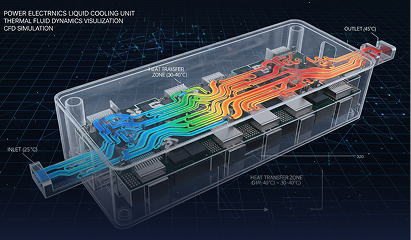
Thermal & Coupled-Field Analysis
Evaluating temperature distributions and associated thermal stresses
Explore Capability
Accurate, reliable structural simulations to validate your designs, reduce prototyping costs, identify potential failures, and optimize product performance before manufacturing.
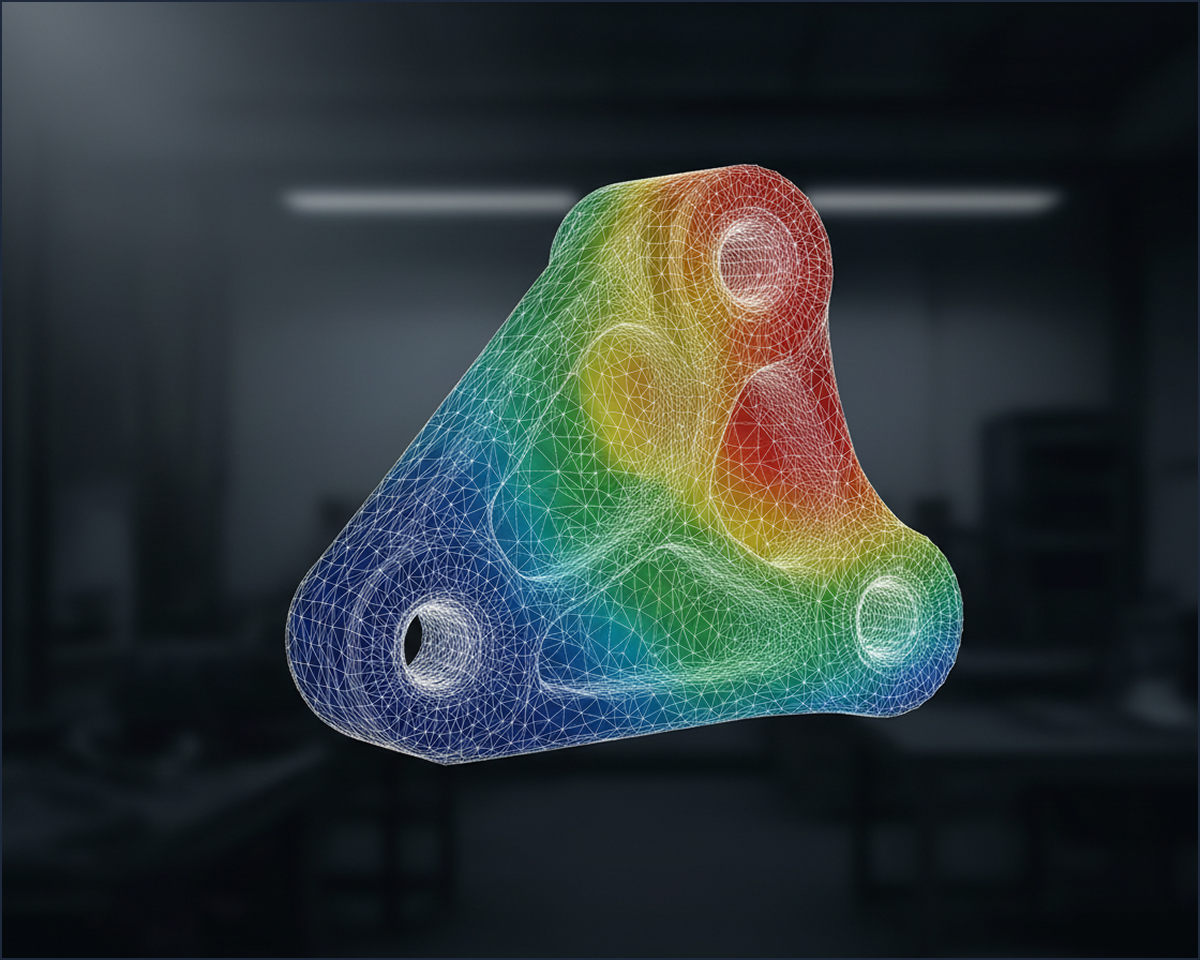
Finite Element Analysis (FEA) enables engineers to predict how components, assemblies, and structures will behave under real-world operating conditions. By creating detailed computational models, we can evaluate stress, strain, deformation, temperature, vibration, fatigue, and failure before physical prototypes are manufactured.
At Digiwise Innovations, we use advanced FEA techniques to help engineering teams validate designs, investigate complex mechanical behavior, identify potential failure points, and make informed design decisions. From early-stage development to final design verification, our simulations provide actionable engineering insights that reduce risk, development time, and unnecessary prototyping.
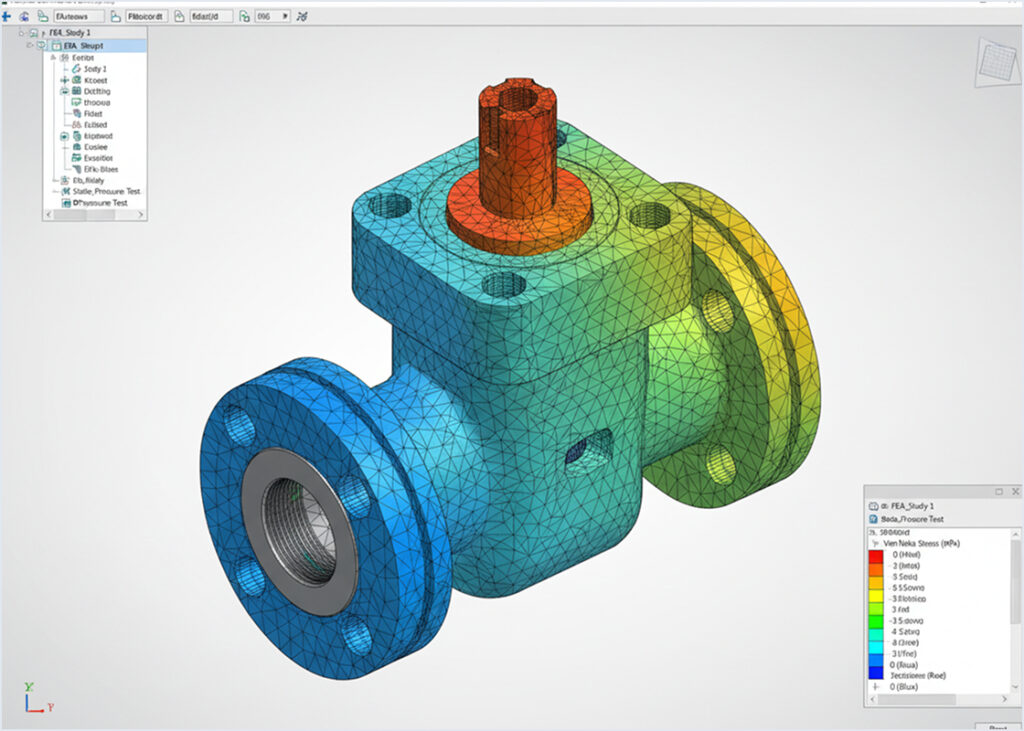
Our Mechanical Finite Element Analysis (FEA) Services
Evaluating temperature distributions and associated thermal stresses
Explore CapabilityOur simulation expertise supports engineering teams across industries where structural performance, reliability, safety, and design validation are critical.
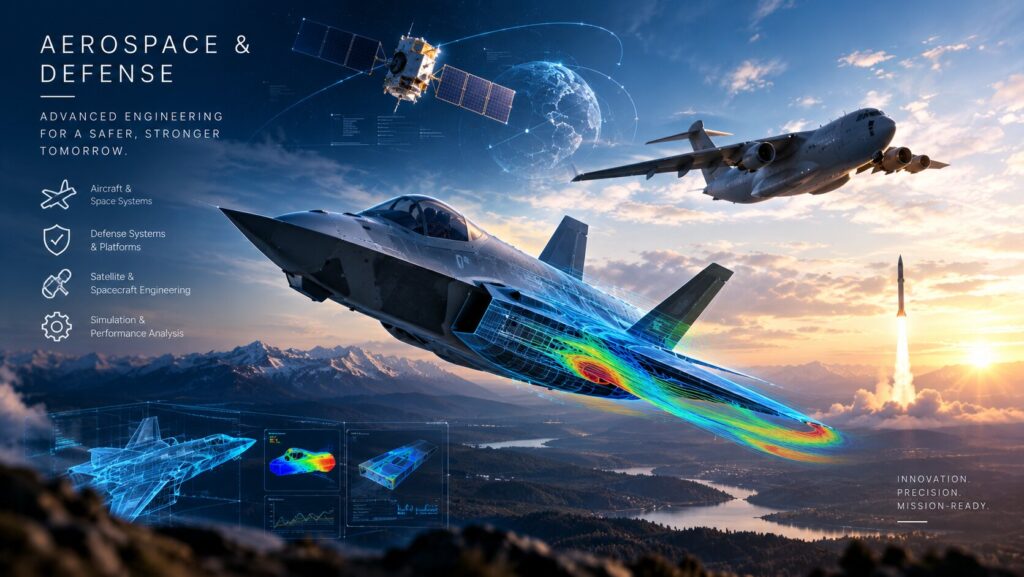
exceptional structural performance, weight efficiency, thermal control, and aerodynamic behavior
Explore Industry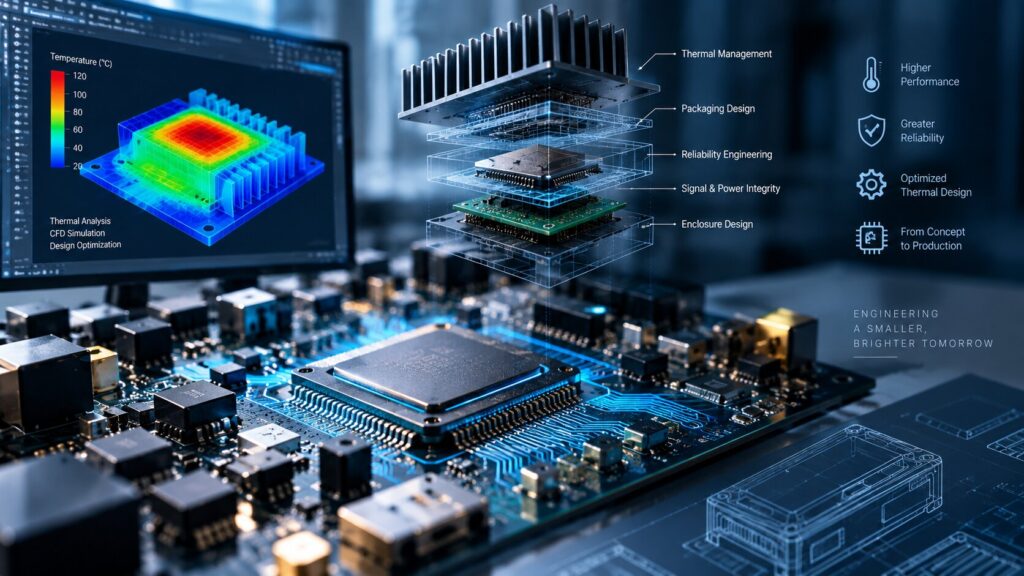
Advanced engineering for reliable electronic systems.
Explore Industry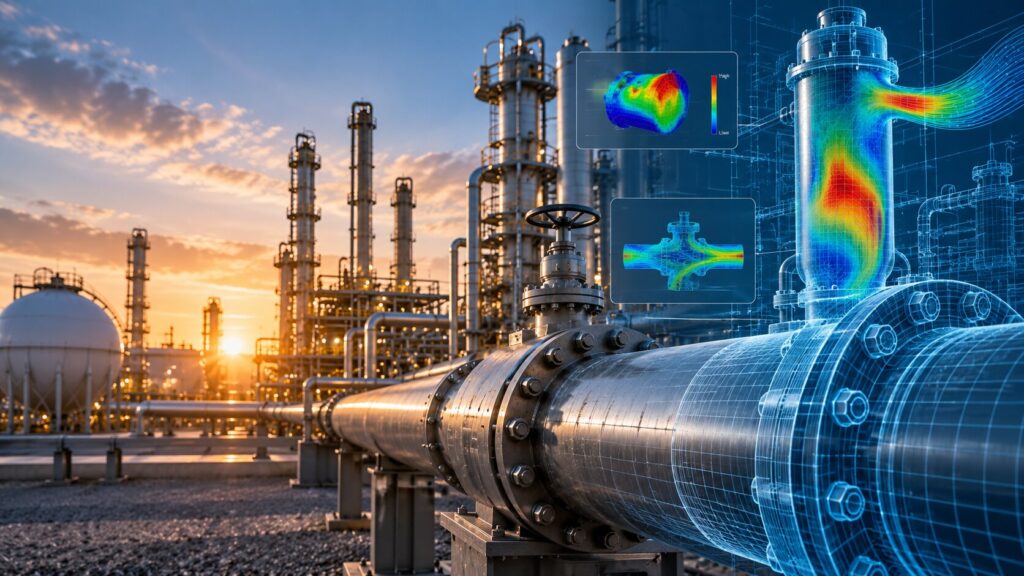
Reliable engineering solutions for demanding process industries.
Explore Industry
Simulation-driven design for implants and devices.
Explore Industry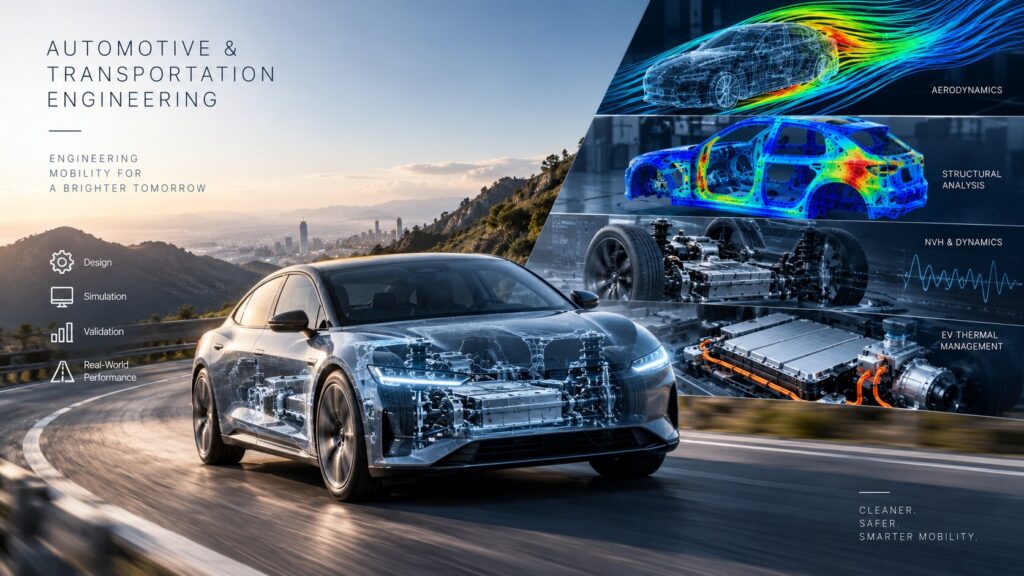
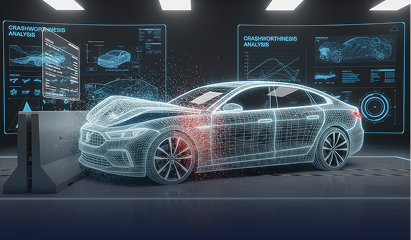
Crash analysis and battery thermal management.
Explore Industry
Structural integrity and fatigue life analysis.
Explore IndustryPartner with Digiwise Innovations for world-class simulation expertise and advanced computational engineering solutions.
Yes. Nonlinear analysis can be used for complex contact, plastic deformation, large displacement, hyperelastic materials, and other nonlinear behaviors.
Typically, CAD geometry, material properties, loading conditions, boundary conditions, operating requirements, and relevant design or performance criteria are required.
FEA can evaluate structural stress, deformation, fatigue, vibration, thermal effects, nonlinear behavior, impact, contact, and many other complex engineering conditions.
Depending on project requirements, simulations can be performed using engineering platforms such as Abaqus and ANSYS, along with custom computational and automation workflows.