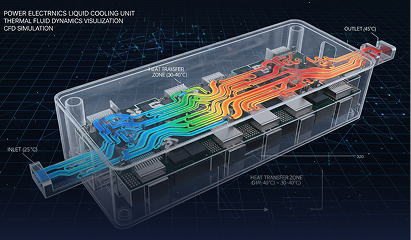
Thermal & Coupled-Field Analysis
Evaluating temperature distributions and associated thermal stresses
Discuss Your Project
Validate safety, performance, and regulatory readiness with advanced simulation for medical devices and implantable systems.
Digiwise delivers specialized Finite Element Analysis (FEA) and Computational Fluid Dynamics (CFD) simulation services purpose-built for medical device developers. We help Class I and Class II device manufacturers design, verify, and validate products through rigorous physics-based digital testing—reducing reliance on costly physical prototypes, compressing pre-clinical timelines, and generating FDA-ready computational evidence packages.
Our partnership with medical device startups, established OEMs, and contract development organizations is focused on delivering structural, thermal, and hemodynamic engineering expertise. Our ASME and ISO-compliant methodology ensures simulation results are defensible, traceable, and fit for documentation supporting regulatory submissions.
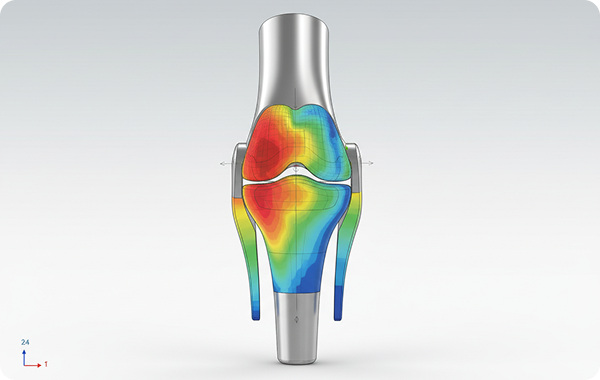
Digiwise delivers high-fidelity medical device simulation capabilities across structural, thermal, and fluid dynamics. Our team uses finite element analysis (FEA) for implant fatigue, durability, and structural integrity—spanning bone and soft-tissue interaction, joint forces, and regulated material testing.
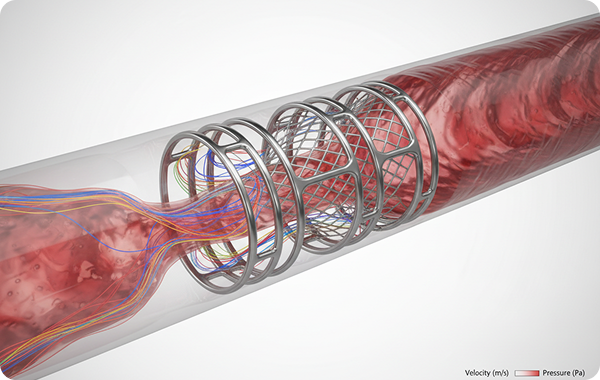
For blood-contacting devices, we apply computational fluid dynamics (CFD) to model flow patterns, pressure distribution, and wall shear stress across complex geometries. This enables hemodynamic performance evaluation, risk prediction, and early engineering decisions.
We follow a rigorous, credibility-first simulation methodology aligned with ASME V&V 40 and FDA guidance for computational modeling in medical device submissions. Every analysis is built around clear assumptions, documented verification, and traceable validation evidence.
Specialized simulation workflows to help medical device teams make confident design and regulatory decisions.
Evaluating temperature distributions and associated thermal stresses
Discuss Your Project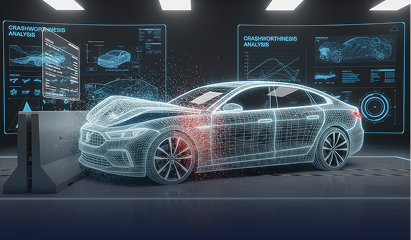
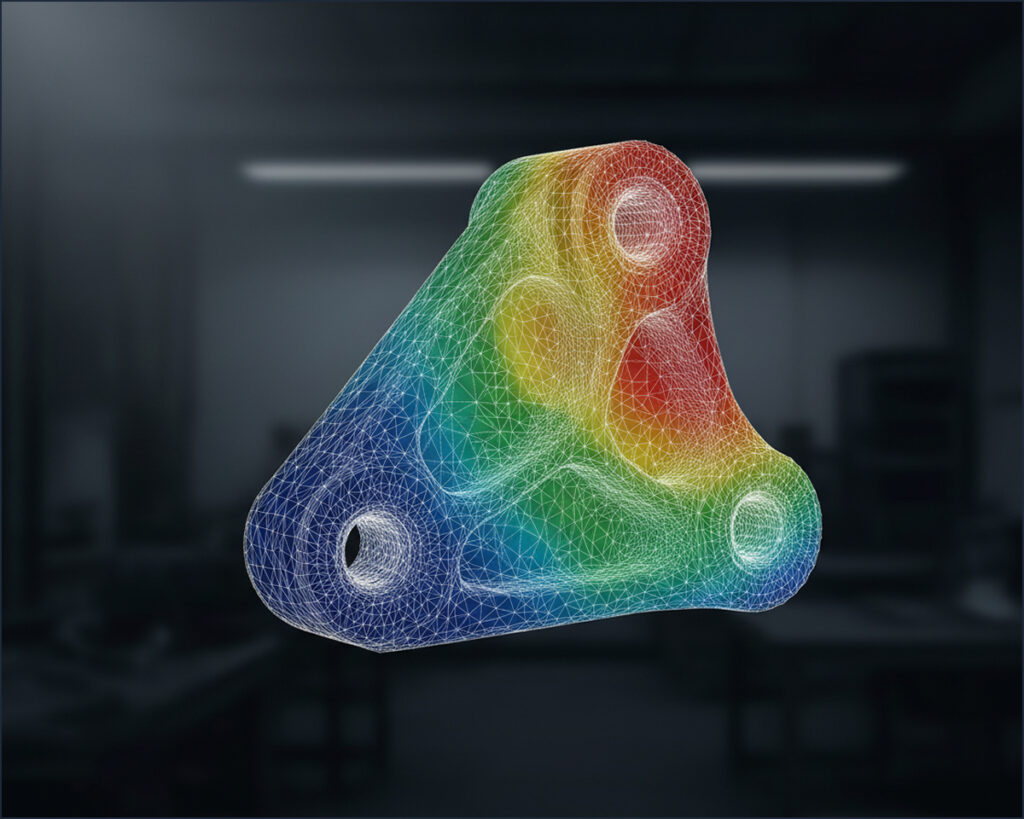
Advanced stress, strain, and deformation analysis for complex structures.
Discuss Your Project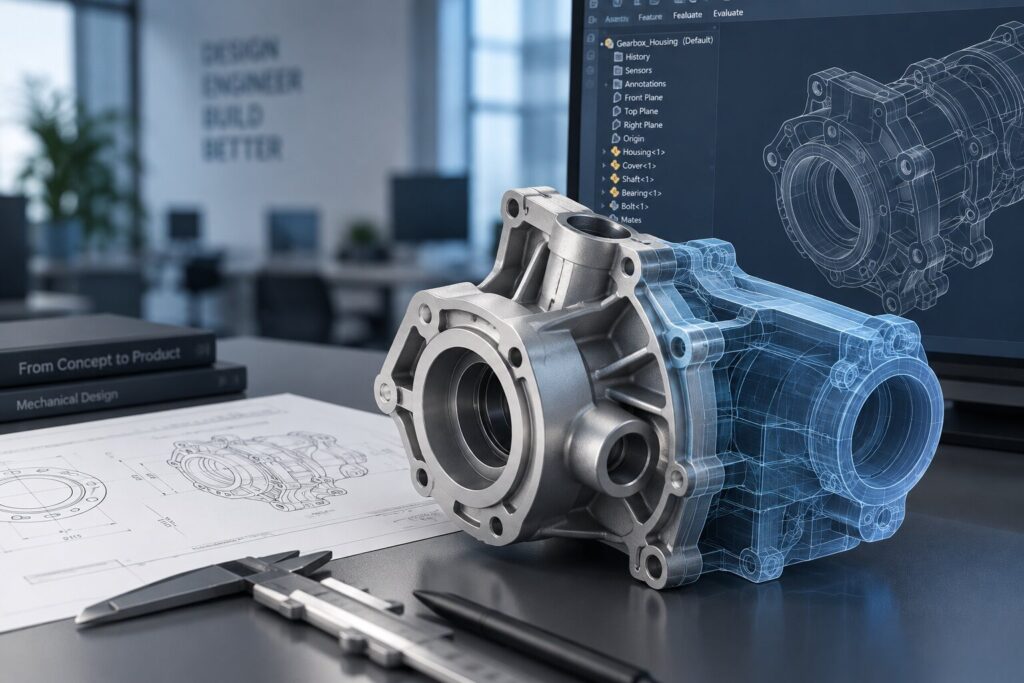
Precision 3D modeling and assembly design for manufacturing.
Discuss Your Project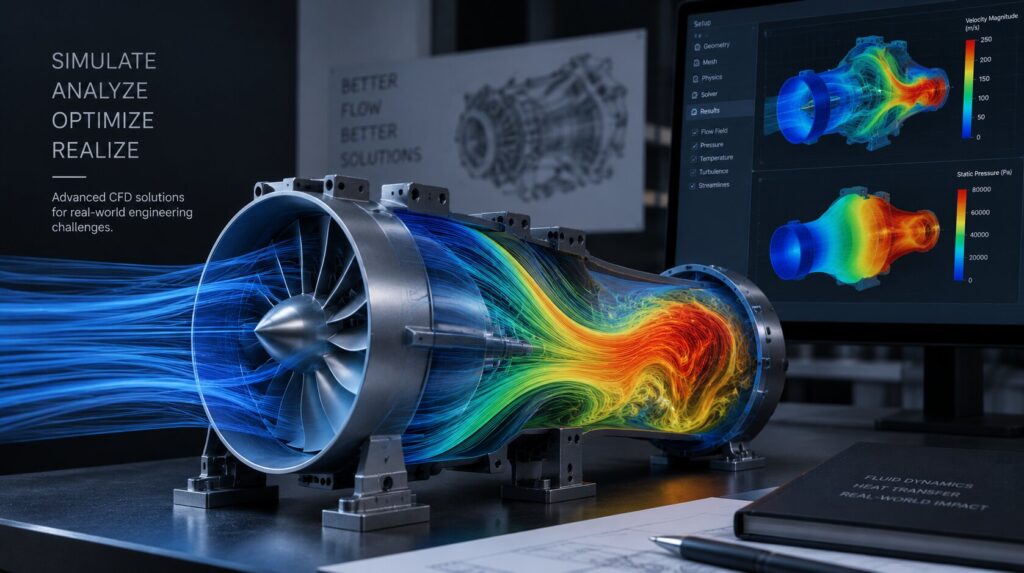
Fluid flow, heat transfer, and performance optimization.
Discuss Your Project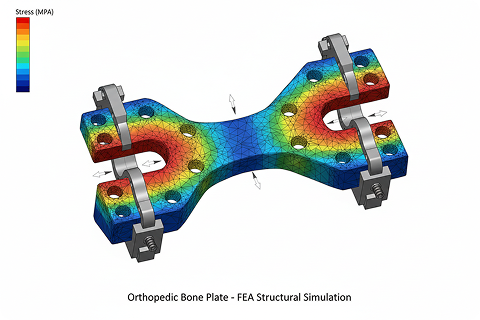
We apply finite element analysis (FEA) to predict stress concentrations, deformation, and high-cycle fatigue in implants and fixation systems. Our models account for anatomy-specific geometries, patient loads, and bone-implant interactions to help reduce wear and extend product life.
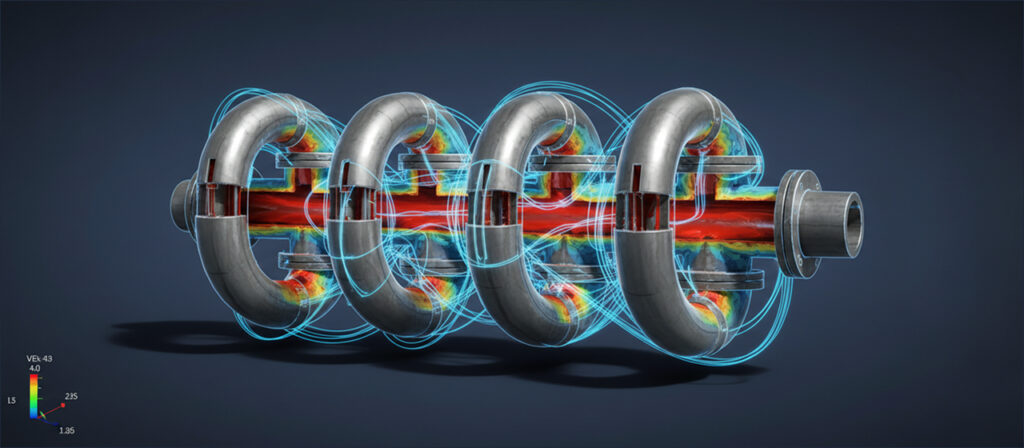
We simulate blood flow dynamics, wall shear stress distributions, and pressure fields in stents, heart valves, ventricular assist devices, and catheter systems. Our CFD workflows identify recirculation, stagnation, and thromboembolic risk early in development.
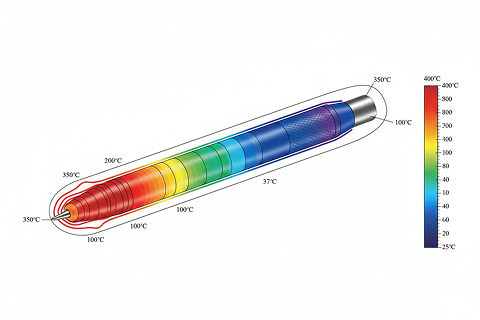
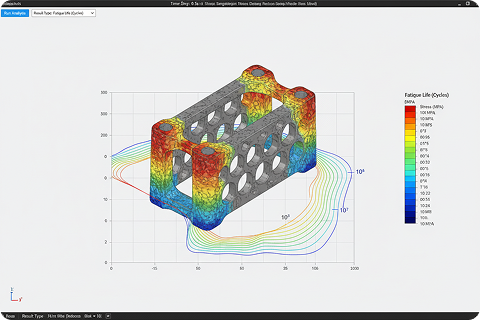
Active medical devices often require transient and steady-state thermal simulations to validate localized heat generation, tissue exposure, and patient safety. We model heat transfer, conduction, and convection to establish robust operating windows.
Real-world results from our simulation-driven engineering solutions.
Partner with Digiwise Innovations for world-class simulation expertise and advanced computational engineering solutions.