Skip to content

Medical Device Engineering & Simulation

Simulation-driven design for implants, surgical tools, and diagnostic equipment meeting FDA standards.

Digiwise delivers specialized Finite Element Analysis (FEA) and Computational Fluid Dynamics (CFD) simulation services purpose-built for medical device developers. We help Class II and Class III device manufacturers design, verify, and validate products through rigorous physics-based digital twins - reducing reliance on costly physical prototypes, compressing pre-clinical timelines, and generating FDA-ready computational evidence packages.
We partner with medical device startups, established OEMs, and contract development organizations to solve demanding structural, thermal, and hemodynamic engineering challenges. Our ASME V&V 40 compliant methodology ensures simulation results are defensible during 510(k), PMA, and De Novo regulatory submissions, and fully documented to satisfy ISO 13485 quality system requirements.
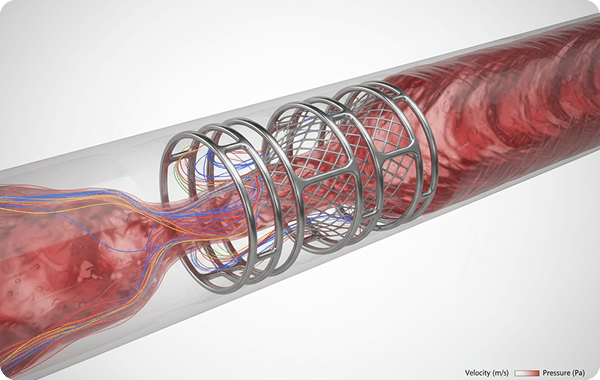
Biomechanics & Medical Device Simulation

Biomechanics & Medical Device Simulation

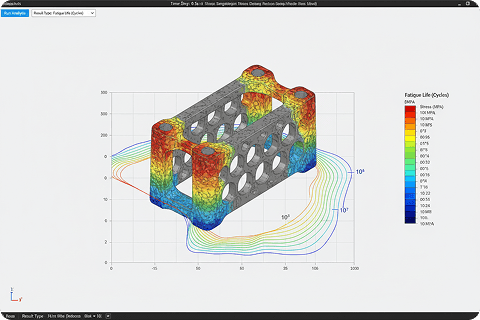
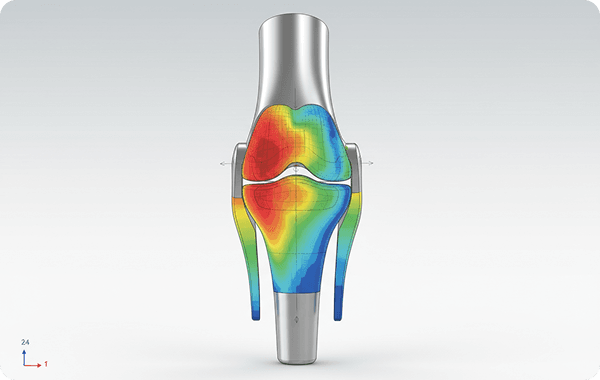
Digiwise delivers high-fidelity medical device simulation capabilities across structural, thermal, and fluid dynamics. Our team uses finite element analysis (FEA) for implant fatigue, durability, and structural integrity—spanning hip and knee prostheses, spinal fusion cages, and surgical instruments. We also perform computational fluid dynamics (CFD) for cardiovascular flow modeling, including stent deployment, heart valve hemodynamics, and blood flow through complex geometries. By translating complex biomechanical physics into clear, regulatory-ready engineering evidence, we support design optimization, failure prediction, and submission-ready validation for medical device manufacturers.

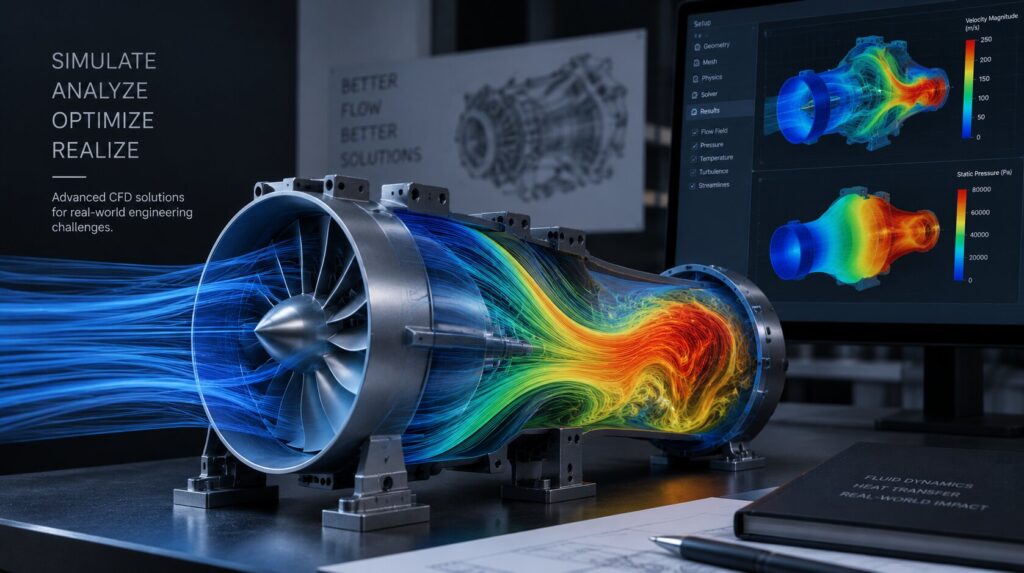
Medical Device Flow Analysis

We partner with medical device startups, established OEMs, and contract development organizations to solve demanding structural, thermal, and hemodynamic engineering challenges. Our ASME V&V 40 compliant methodology ensures simulation results are defensible during 510(k), PMA, and De Novo regulatory submissions, and fully documented to satisfy ISO 13485 quality system requirements.
Medical Device Flow Analysis
Connected Capabilities

Medical Services

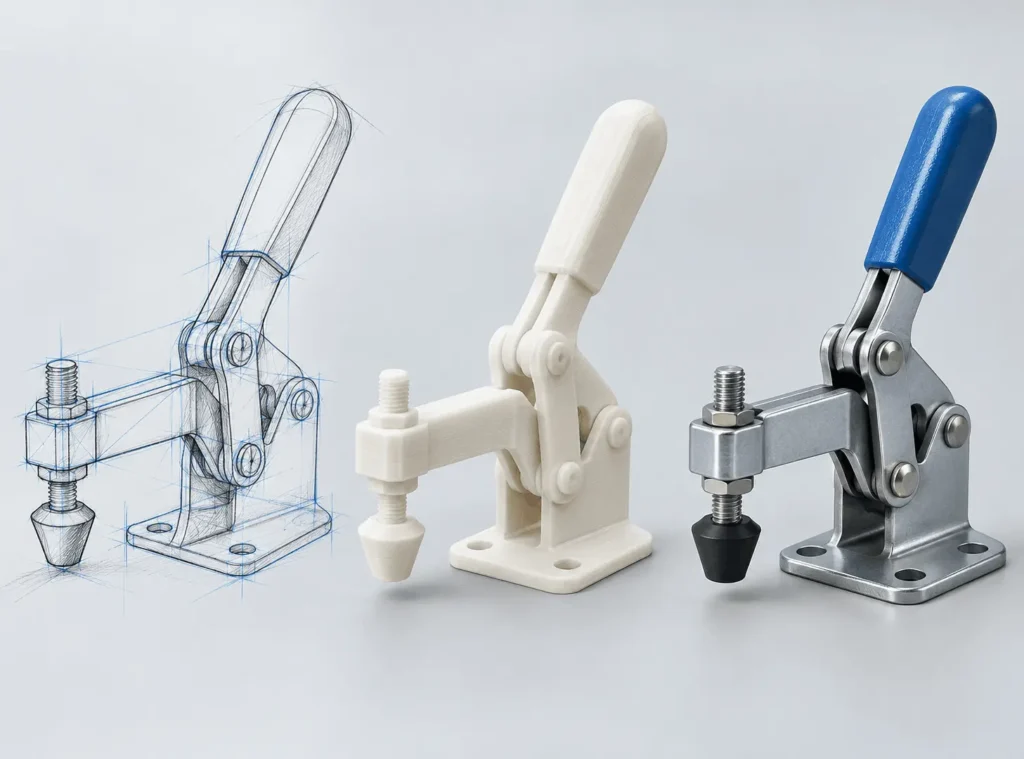
Product Development & Design for Manufacturability

From Product Concept to Production Design

Explore Service
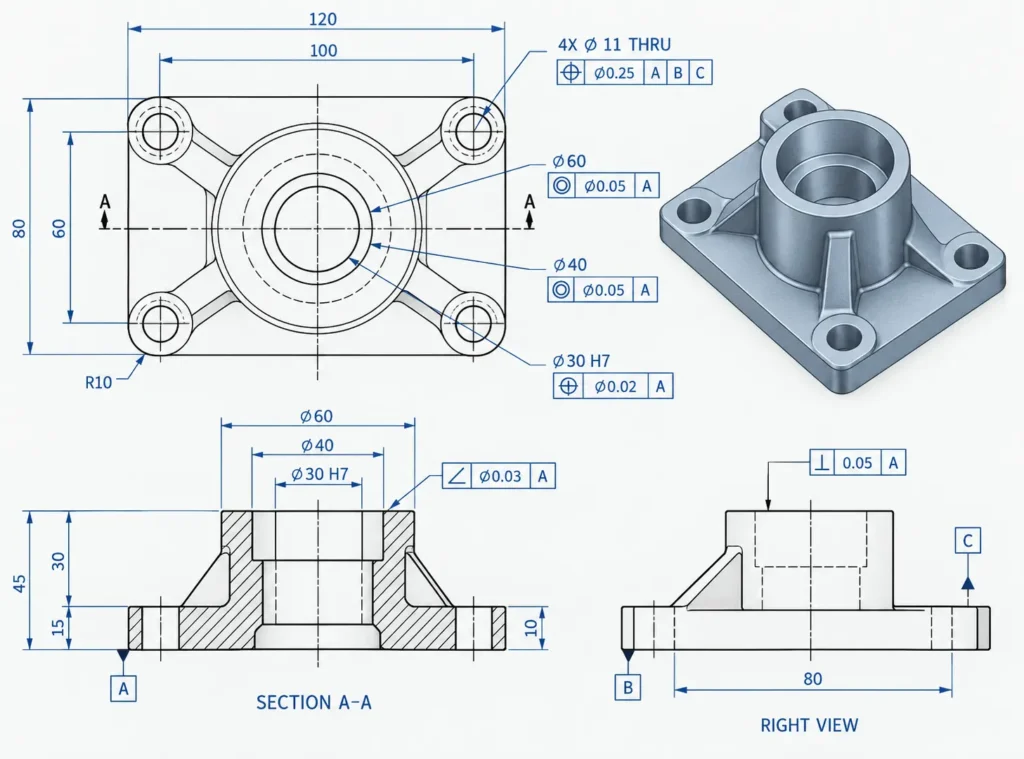
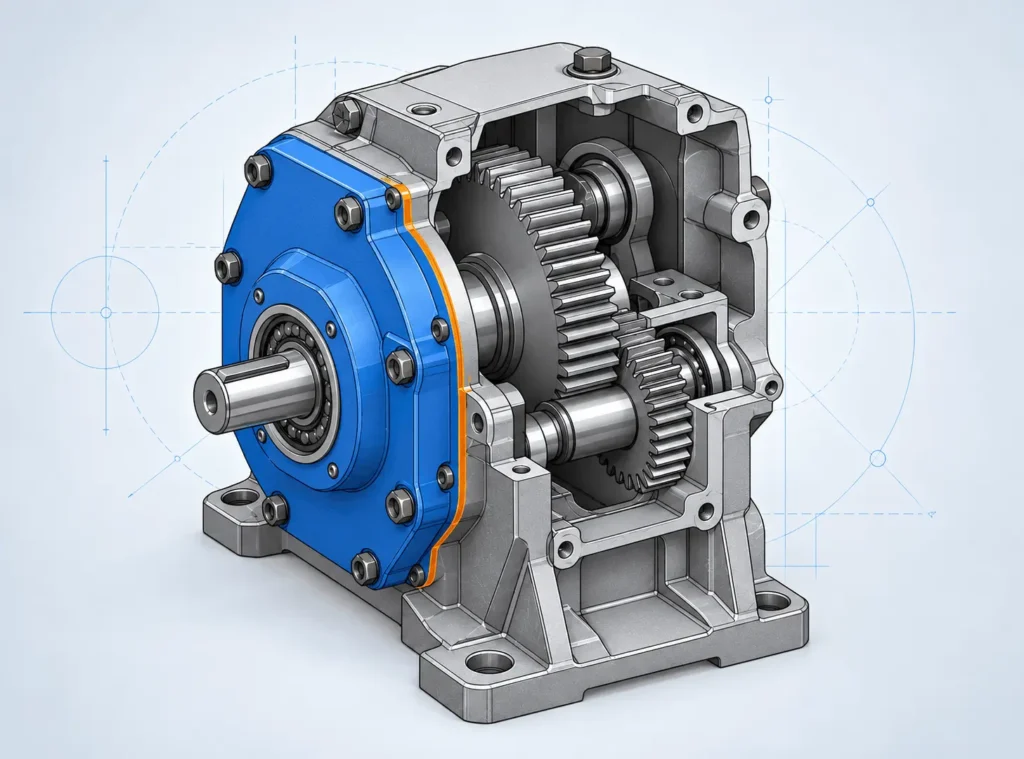
Engineering Drawings & GD&T

Precise Engineering Drawings for Mechanical Components

Explore Service

Computational Fluid Dynamics (CFD) services

Fluid flow, heat transfer, and performance optimization.

Explore Service

Finite Element Analysis (FEA) Services

Advanced stress, strain, and deformation analysis for complex structures.

Explore Service
Medical Product Development

Medical Product Development

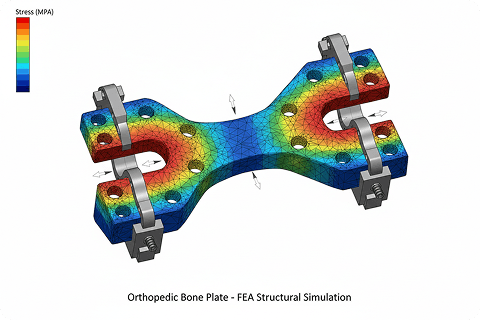
We apply finite element analysis (FEA) to predict stress concentrations, micromotion, and high-cycle fatigue life in orthopedic implants including hip and knee arthroplasty components, spinal fusion cages, and bone fixation plates. Our analyses follow ISO 14801 and ASTM F2083 test simulation protocols, generating computational data that complements - and often replaces - expensive physical bench testing.

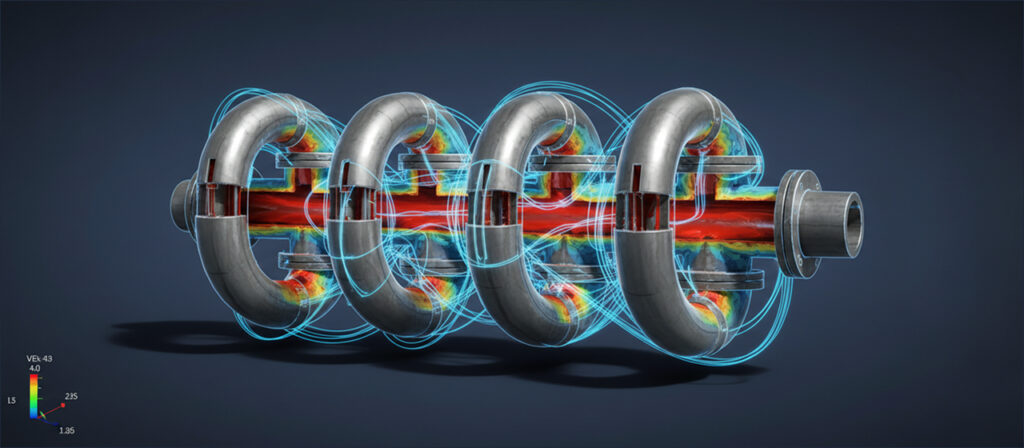
CFD for Blood-Contacting Devices & Cardiovascular Hemodynamics

We simulate blood flow dynamics, wall shear stress distributions, and thrombus risk indices in stents, heart valves, ventricular assist devices, and catheter tips. Using patient-specific or idealized anatomical geometries, our CFD models predict hemolysis potential, platelet activation, and wash-out performance - critical data for both design optimization and FDA 510(k) computational fluid dynamics submissions.

CFD for Blood-Contacting Devices & Cardiovascular Hemodynamics
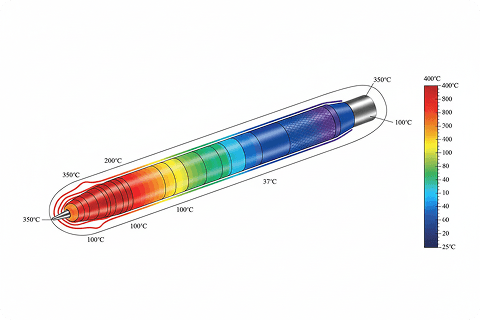
Thermal Simulation for Electrosurgical Tools & Active Implants

Thermal Simulation for Electrosurgical Tools & Active Implants

Active medical devices - from cochlear implants and neurostimulators to MRI-guided surgical robots - require precise thermal control to protect surrounding tissue. We model heat generation, conduction pathways, and thermal dispersion to verify compliance with ISO 14708 and IEC 60601 temperature rise limits, ensuring patient safety without over-engineering your design.

Success Stories

Engineering Impact: Case Studies

Process & Petrochemical

Flow-Induced Dynamic Stress Analysis for an Industrial Manifold

Read Case Study

Ready to Validate Your Design?

Partner with Digiwise Innovations for world-class simulation expertise and advanced computational engineering solutions.